Paella: Regarding iconic Spanish cuisine, few dishes can rival the rich flavors and cultural significance. This traditional dish hailing from the Valencia region of Spain has captured the hearts and palates of food enthusiasts worldwide. This article will delve into the captivating history, diverse variations, and critical elements that make a timeless culinary masterpiece.
IN THIS ARTICLE
The Origins and Evolution
Paella’s history can be traced back to the rice-growing regions of Valencia, where farmers and laborers created hearty one-pot meals using local ingredients. The name “paella” derives from the broad, shallow pan used to cook the dish over an open flame.
Originally, paella consisted of simple ingredients like rice, beans, and whatever meats were readily available. However, as trade and exploration expanded, so did the range of components. Influences from various cultures and regions shaped the evolution of paella into the diverse dish we know today.
Essential Components
1. Rice: The paella’s heart lies in the rice type used. Short-grain varieties like Bomba or Calasparra rice are preferred for their ability to absorb broth and flavors without becoming mushy.
2. Saffron: This precious spice lends a distinctive golden hue to paella and imparts a unique, slightly floral flavor.
3. Broth: A flavorful broth forms the foundation of paella’s taste. It’s often made from a combination of stock, vegetables, and seafood shells to infuse the rice with a rich flavor.
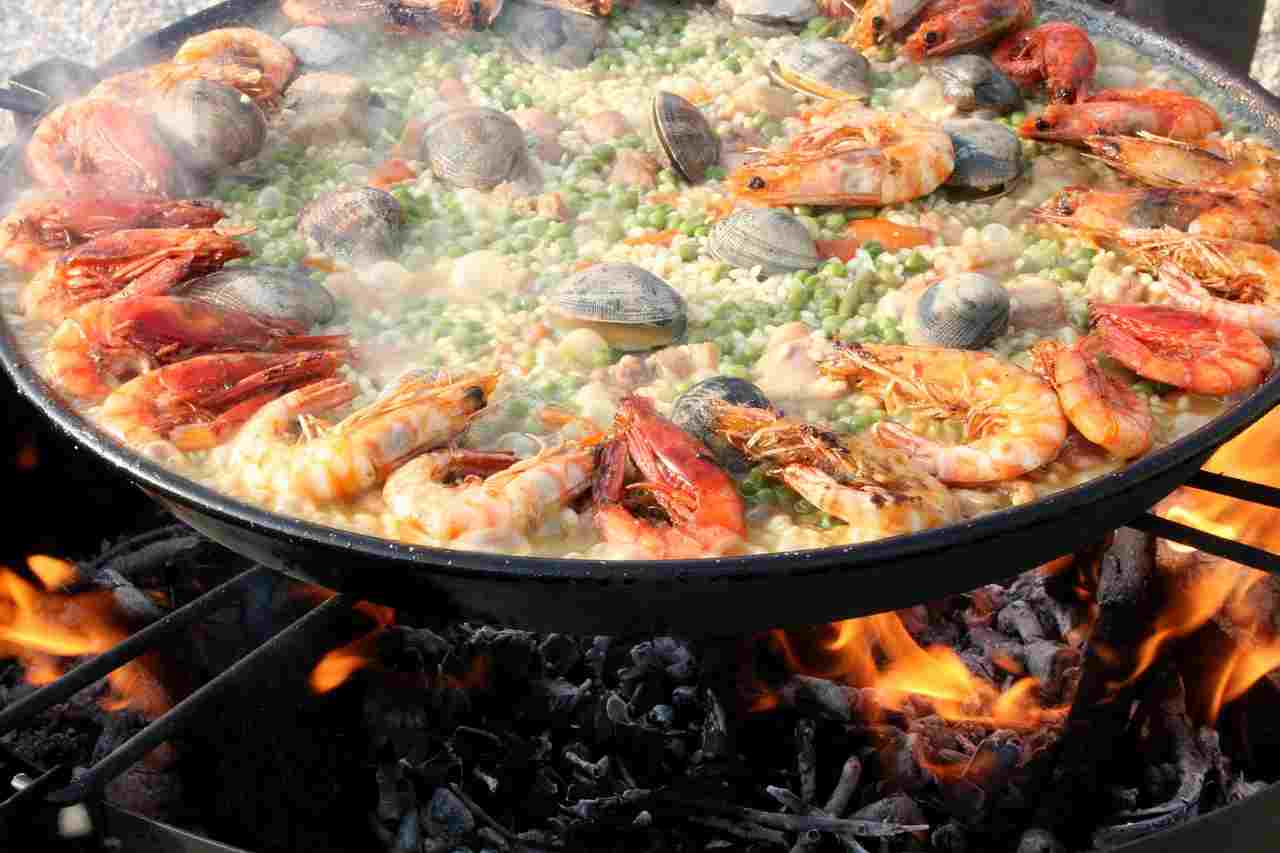
4. Meats and Seafood: While traditional paella might include rabbit, chicken, and snails, seafood paella has gained immense popularity. Shrimp, mussels, clams, and squid are common additions, contributing a bounty of flavors from the sea.
5. Vegetables: Ingredients like bell peppers, onions, and peas add vibrant colors and contrasting textures to the dish.
6.Olive Oil: An essential ingredient in Spanish cuisine, olive oil provides a luscious base for sautéing ingredients and enhancing the overall taste.
Variations on a Theme
As paella gained worldwide recognition, different regions and cultures put their twists on the classic recipe. For instance:
Valencian Paella: The closest to the original, this version typically features rabbit, chicken, and snails, along with beans and saffron.
Seafood Paella: A coastal delight, this variation showcases a medley of fresh seafood, often excluding meat.
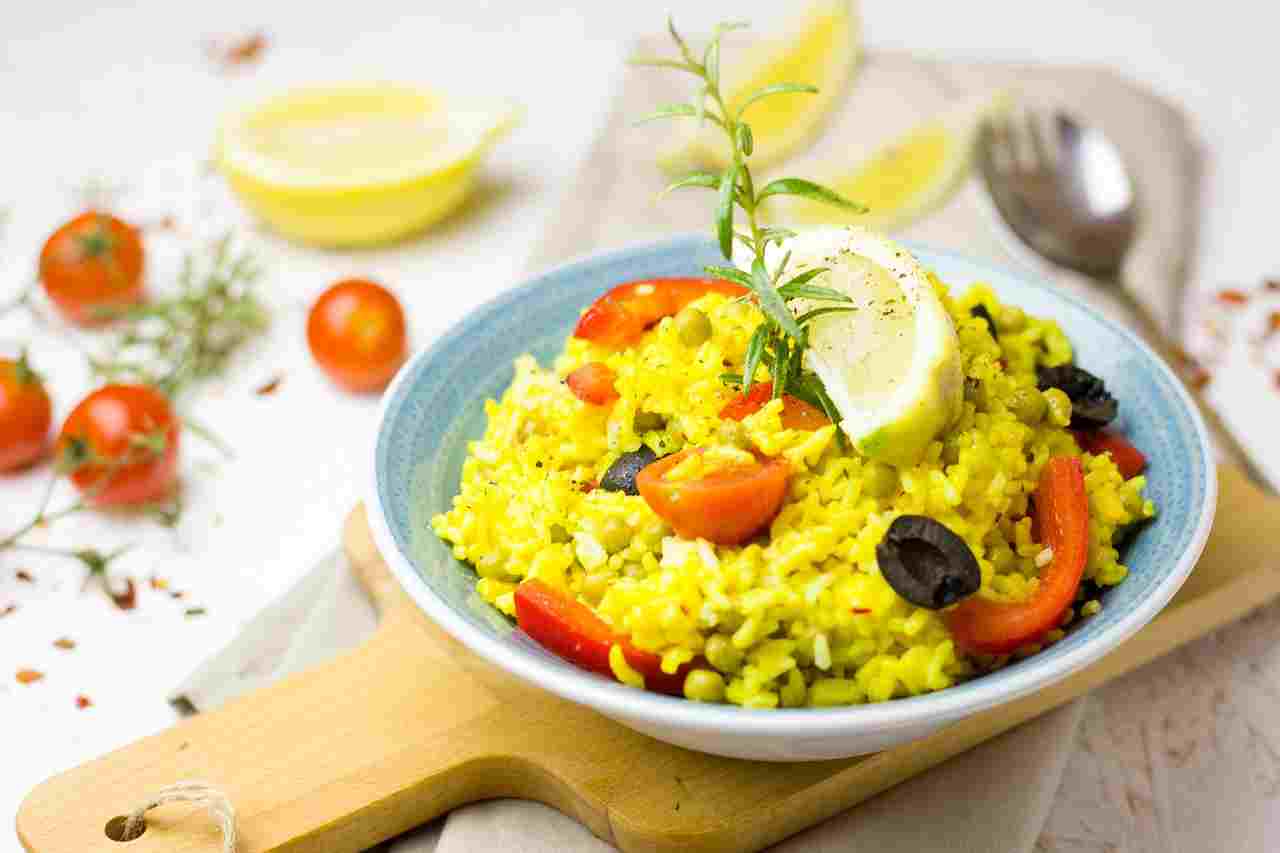
Vegetarian Paella: Catering to plant-based diets, this version relies on vegetables, beans, and sometimes artichokes to create a flavorful dish.
Mixed Paella: A fusion of land and sea, this style combines meats like rabbit and chicken with seafood elements.
Black Paella (Arroz Negro): Colored with squid ink, this striking paella variation boasts a unique salty flavor.
The Allure Today
In the twenty-first century, paella still symbolizes conviviality and birthday parties in the Spanish subculture. From family gatherings to fairs, this dish brings humans together to savor its rich flavors. As restaurants across the globe offer their interpretations, one can experience the magic of paella even outside of Spain.
Paella is more than just a dish; it’s a culinary journey through history, culture, and flavor. Rooted in humble beginnings and nurtured by generations, it has become a Spanish identity symbol. Whether you prefer the traditional Valencian recipe or delight in the diverse variations, paella’s essence remains unchanged – a celebration of community and the joy of sharing a remarkable meal.
Tips for Perfecting at Home
While enjoying paella at a restaurant is a delightful experience, there’s something uniquely satisfying about preparing this masterpiece in your kitchen. Here are some tips to help you achieve paella perfection at home:
1. Quality Ingredients Matter
Start with fresh, high-quality ingredients. Whether you’re using seafood, meats, or vegetables, choose ingredients that are in season and at their peak flavor.
2. Invest in the Right Pan
Investing in an authentic paella pan (a “paellera”) can make a significant difference. The wide, shallow shape allows the rice to cook evenly and develop the prized socarrat – the crispy, caramelized layer at the bottom of the pan.
3. Master the Soffritto
Soffritto is the base flavor foundation for paella. Sauté onions, bell peppers, and garlic in olive oil until softened and fragrant. This step infuses the dish with aromatic flavors.
4. Properly Toast the Rice
Before adding the broth, toast the rice in the soffitto. This process helps the rice absorb flavors better, creating a nutty undertone in the final dish.
5. Simmer and Add Broth Gradually
When adding the broth, pour it in gradually, allowing the rice to absorb the liquid before adding more. This technique ensures that the rice cooks evenly and develops a rich flavor.
6. The Art of Patience
Paella is a dish that requires patience. Allow the rice to absorb the flavors and the broth to reduce slowly. Avoid stirring too frequently, as the development of socarrat relies on letting the bottom layer crisp up.
7. Garnish with Precision
The final presentation is critical. Arrange cooked seafood, meats, and vegetables on top of the rice for an appealing visual display. Garnish with fresh herbs like parsley and lemon wedges for freshness.
8. Allow Resting Time
Once the paella is cooked, allow it to relax for a few minutes before serving. This enables the flavors to meld collectively and guarantees that every bite is infused with the delicious essence of the dish.
9. Embrace Experimentation
While tradition is essential, don’t hesitate to experiment with flavors and ingredients. Create your signature paella by incorporating spices, herbs, or elements that resonate with your palate.
10. Enjoy with Company
Like the heart of Spanish culture, paella is best enjoyed by family and friends. Share the experience of preparing and savoring this iconic dish together.
Whether a pro chef or a novice inside the kitchen, paella offers a culinary adventure connecting you to Spanish traditions and flavors. With the proper elements, strategies, and a hint of passion, you can create a paella that not only tantalizes the taste buds but also brings a chunk of Spain’s rich culinary background to your desk. So, accumulate your loved ones, roll up your sleeves, and embark on a paella-making adventure that is as memorable as it is scrumptious.
Exploring Regional Paella Variations
As we’ve already touched upon the various types of paella, let’s delve deeper into some regional variations that showcase the diverse flavors and ingredients across Spain:
1. Valencian (Valenciana)
This is the foundational paella, hailing from its birthplace in Valencia. It features a medley of rabbit, chicken, snails, and vegetables. The flavors are hearty and rustic, a reflection of the dish’s humble origins.
2. Seafood (de Marisco)
Coastal regions of Spain celebrate the bounty of the sea with this version. Packed with an assortment of shrimp, mussels, clams, and squid, seafood paella offers a briny symphony of flavors that pay homage to the Mediterranean.
3. Mixed (Mixta)
A harmonious fusion of land and sea, mixed paella combines the best of both worlds. It includes a combination of rabbit, chicken, seafood, beans, and vegetables, creating a balanced and complex flavor profile.
4. Vegetarian (de Verduras)
The vegetarian paella offers a vibrant array of flavors for those embracing a plant-based lifestyle. Featuring a variety of vegetables like bell peppers, artichokes, peas, and tomatoes, this version is a celebration of nature’s bounty.
5. Black (Arroz Negro)
Distinguished by its striking ebony hue, black paella is colored with squid ink. This imparts a unique appearance and infuses the dish with a deep, oceanic flavor. Seafood, mainly squid and cuttlefish, are common additions.
6. de Montaña (Mountain )
This lesser-known variation originates from the mountainous regions of Spain. It typically includes game meats like wild boar or venison and hearty ingredients like mushrooms, rosemary, and thyme.
7. de Langosta (Lobster )
Reserved for special occasions, lobster paella is the epitome of luxury. Succulent lobster tail takes center stage, complemented by other seafood and aromatic spices.
8. Mixta de Verduras (Mixed Vegetable )
This vegetarian version adds a twist by combining mixed vegetables with traditional rice and saffron, resulting in a colorful and flavorful dish that appeals to both herbivores and omnivores.
9. de Conejo y Caracoles (Rabbit and Snail )
Returning to paella’s rustic origins, this variation features tender rabbit meat and snails, capturing the essence of traditional Valencian cuisine.
10. Fideuà
Though not an authentic , fideuà is a close relative. Instead of rice, thin pasta noodles (fideos) are used, resulting in a unique texture. Fideuà often features seafood and is a specialty along the coast.
The world of paella is as diverse as the Spanish landscape itself. Each regional variation tells a story of culture, history, and local ingredients. Whichever version you choose to prepare or savor, remember that dish is more than just a dish – it’s a journey that brings people together, celebrating the art of cooking and the joy of sharing a delectable meal.
Mastering the Art of Cooking Techniques
Cooking a perfect paella involves more than just assembling the right ingredients. It’s a culinary dance that requires skill, patience, and an understanding of crucial techniques. Let’s explore some key techniques that will elevate to new heights:
1. Socarrat: The Coveted Crust
Achieving the coveted socarrat – that caramelized, crispy layer of rice at the bottom of the pan – is a hallmark of a well-executed paella. To achieve this, ensure an even layer of rice and avoid stirring excessively. Towards the end of cooking, increase the heat slightly to develop the socarrat without burning the rice.
2. The Right Rice Ratio
Getting the rice-to-liquid ratio correct is vital for a successful paella. Use about two parts liquid (broth) to 1 part rice. However, this ratio may vary depending on the type of rice you use, so refer to package instructions for best results.
3. To Stir or Not to Stir
Unlike risotto, paella isn’t meant to be stirred constantly. Stirring too often can lead to mushy rice. Instead, gently shake the pan occasionally to redistribute the ingredients and ensure even cooking.
4. Layering Ingredients
Master the art of layering your ingredients in the pan. Begin with the soffrito (sautéed veggies) as the base layer, observed by way of the rice. Set up the meats, seafood, and greens on pinnacle, allowing them to infuse the rice with their flavors as they cook.
5. Consistent Heat Distribution
Cooking paella evenly requires a steady heat source. If you’re using a stovetop, ensure that the flame covers the entire base of the pan. Rotate the pan periodically to ensure uniform cooking if you’re using an open flame, such as a grill.
6. Timing is Everything
Timing plays a critical role in paella preparation. Add the proteins and seafood immediately to ensure they’re cooked to perfection without becoming overdone or rubbery. Start with proteins that require more time and gradually add those that cook faster.
7. Patience with Broth Addition
Add the broth gradually, allowing the rice to absorb the liquid before adding more. This ensures even cooking and flavor absorption.
8. The Lid Dilemma
Traditionalists may avoid using a lid during paella cooking to encourage evaporation and develop socarrat. However, using a cover during certain stages can help steam ingredients and ensure thorough cooking. Use your judgment based on the type you’re making.
9. Let it Rest
After it is cooked, rest for 5 to 10 minutes before serving. This resting time allows the flavors to meld and the textures to settle, resulting in an extra cohesive and fun dish.
10. Presentation Magic
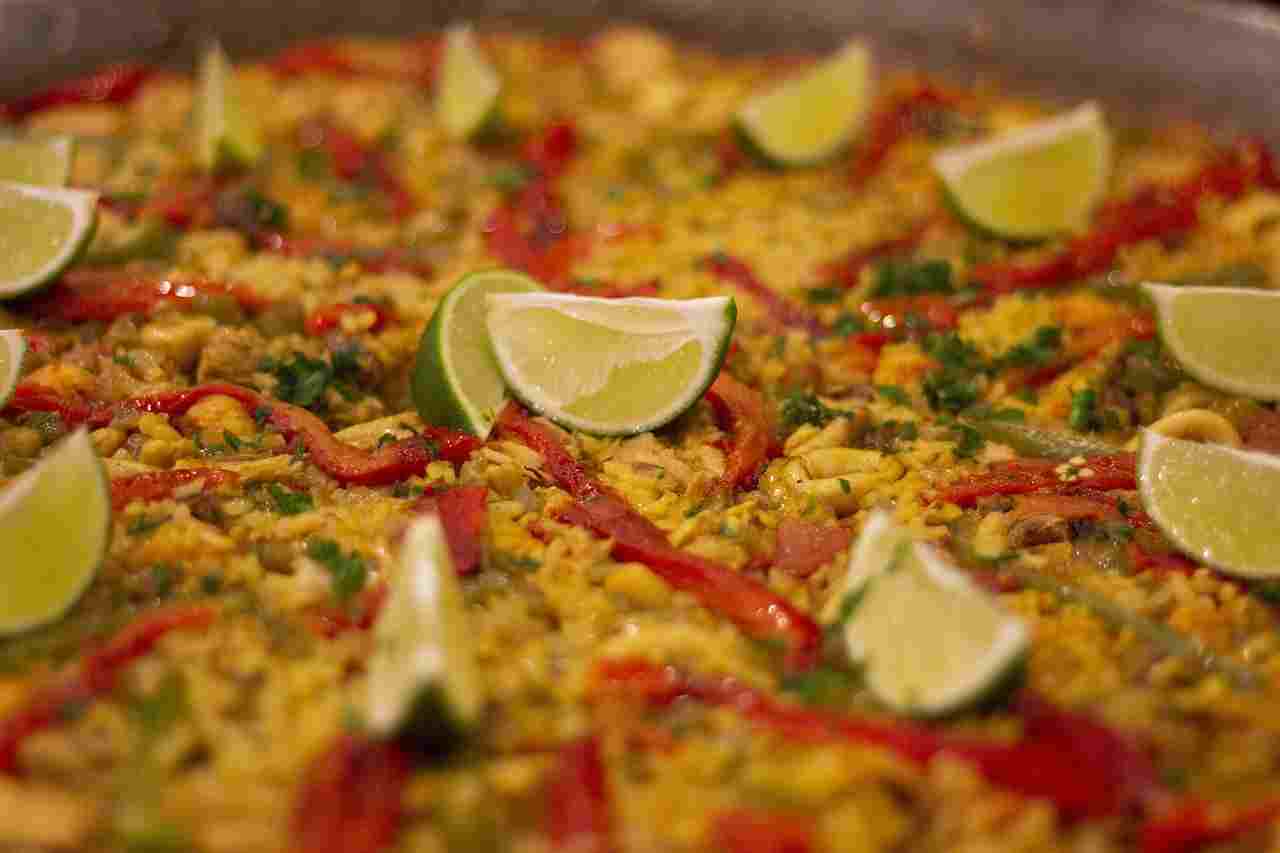
Garnish your paella with flair. Sprinkle fresh herbs like chopped parsley or chives over the top. Arrange lemon wedges around the pan for a citrusy flavor and vibrant color.
Cooking paella is a journey that encompasses both technique and creativity. Even though studying those strategies is essential, be bold, evolve, and make your manner. With practice, staying power, and a willingness to explore the nuances of every technique, you can turn into maestro in your kitchen. Consider that every you create tells a tale reflecting a recipe, your passion for proper food, and the pleasure of sharing it with cherished ones.
read about 7 HEALTHY BREAKFAST CEREALS.


