In this article
Snakes are fascinating creatures that play an essential role in ecosystems by controlling rodent populations and maintaining a balanced food chain. While many people might find the idea of attracting snakes unsettling, understanding the plants that might inadvertently attract them can help us coexist peacefully with these creatures. In this article, we will explore some plants that can unintentionally attract snakes and discuss ways to manage their presence.
Plants and Their Influence
Certain types of vegetation can inadvertently create environments that are attractive to snake’s. This is primarily due to the presence of suitable habitats for their prey, such as rodents and insects. Some plants offer shelter and food sources for these smaller creatures, inadvertently creating an appealing ecosystem for snake’s.
1. Tall Grasses and Weeds
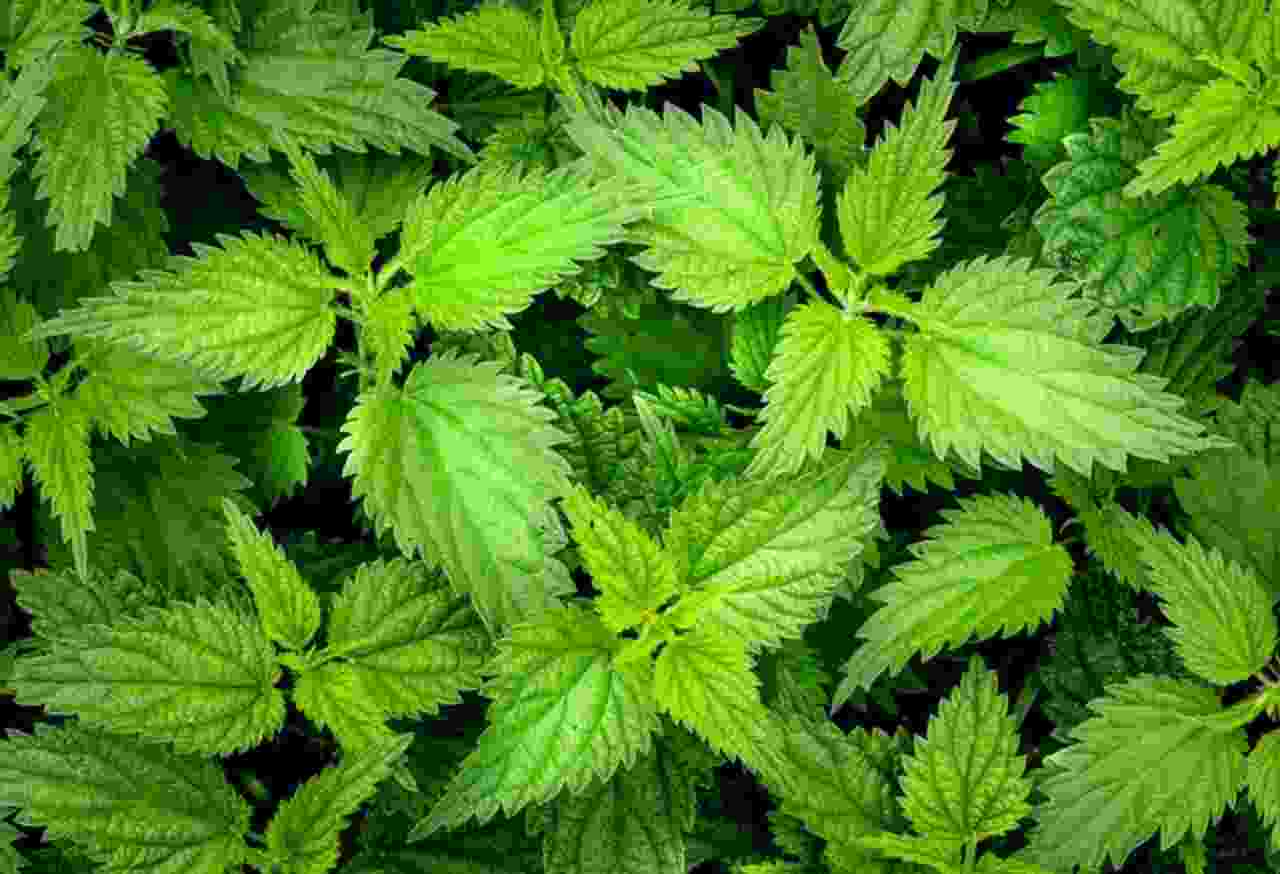
Tall grasses and weeds can create a suitable hiding place for rodents and snakes. These plants provide cover, making it easier for snakes to approach their prey undetected. Keeping lawns well-maintained and trimmed can reduce the availability of hiding spots for both rodents and snakes.
2. Overgrown Gardens
Overgrown gardens with dense vegetation can become havens for rodents, frogs, and insects – all serving as food sources for snakes. Regularly maintaining and cleaning up your garden can discourage prey and snakes from residences.
3. Dense Shrubs and Bushes
Thick shrubs and bushes can offer snakes an ideal hiding place. They provide shade, protection, and a vantage point from which snakes can spot potential prey. Pruning and thinning out dense shrubs can help reduce the appeal of your yard to snakes.
4. Attractive Prey Plants
Plants that attract insects, such as flowering plants, can indirectly attract snake’s. Flowers can draw in insects like beetles and caterpillars, attracting snake-preferred prey such as frogs and rodents. While having a diverse and vibrant garden is essential, consider strategic plant placement to minimize snake attraction.
Prevention and Management
Maintaining a snake-friendly landscape while minimizing its attraction involves a balanced approach:
1. Landscaping Design
Consider landscaping designs that feature open spaces, shorter grasses, and well-spaced plants. This reduces the potential hiding spots for both prey and snake’s.
2. Regular Maintenance
Regularly mow your lawn, trim shrubs, and clear away debris to eliminate hiding spots for snake’s and their prey.
3. Natural Predators
Encourage natural predators of snakes, such as birds of prey and certain mammals, to visit your yard. This can help control the snake population by addressing the root cause – the abundance of their game.
4. Educate Yourself
Learn about the native snake species in your region. Not all snake’s are harmful, and some are beneficial for pest control.
Snake-Repelling Plants: A Natural Approach
In addition to understanding plants that might attract snake’s, it’s worth exploring the concept of using snake-repelling plants as a natural way to deter these creatures from your property. Certain plants can attract snake’s, but others can help keep them away. Incorporating these plants into your landscaping can provide an added layer of protection against unwanted snake encounters.
1. Marigolds (Tagetes spp.)
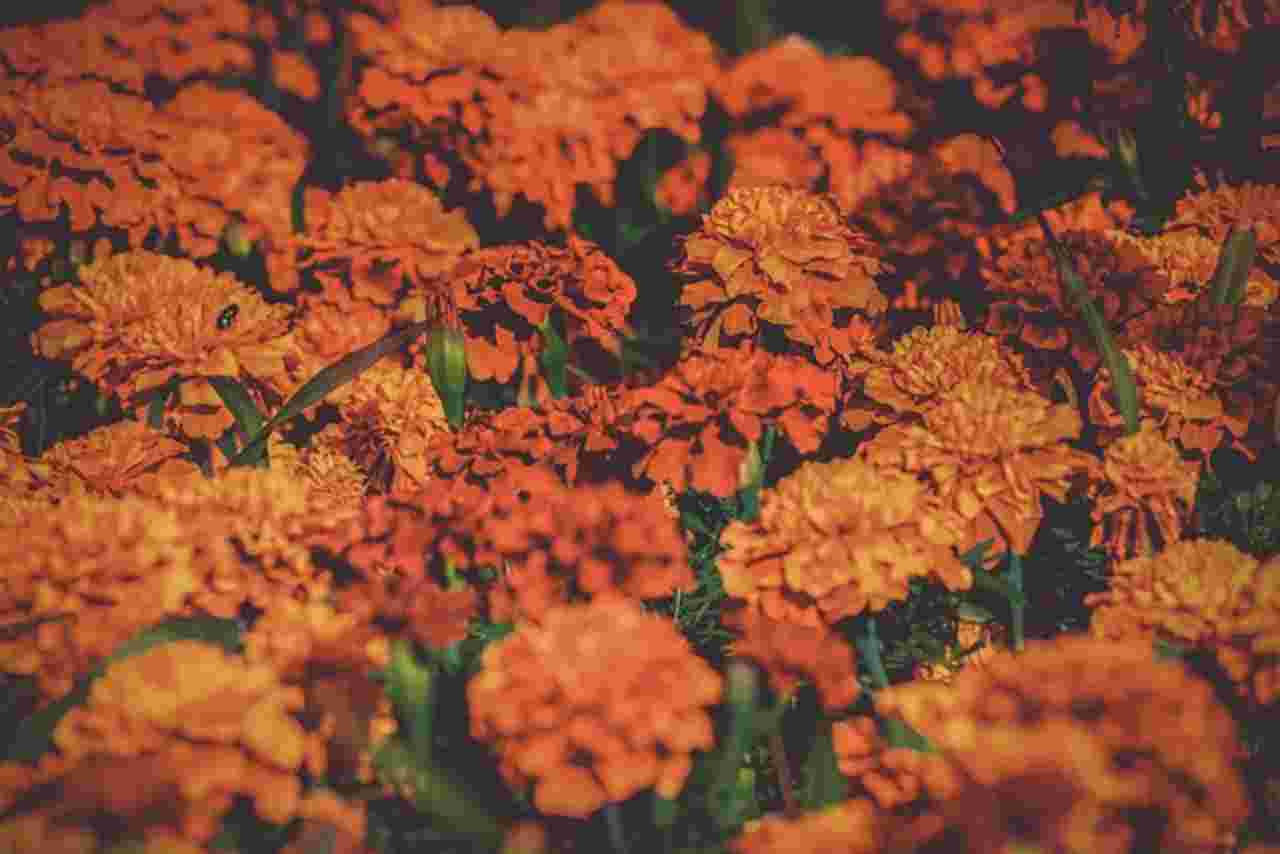
Marigolds are not only vibrant and visually appealing, but they also possess a strong scent that snake’s dislike. Planting marigolds around your garden’s perimeter or near potential entry points to your property can act as a natural deterrent.
2. Garlic (Allium sativum)
Garlic is known for its intense aroma, which can help deter snake’s. Consider planting garlic in areas where you want to discourage snake activity, such as near your home’s foundation or around outdoor structures.
3. Wormwood (Artemisia absinthium)
Wormwood emits a bitter scent that snake’s find unpleasant. Incorporating wormwood into your landscaping, especially in areas prone to snake activity, can help create a less inviting environment.
4. Mother-in-Law’s Tongue (Sansevieria trifasciata)
Also known as snake plant, this houseplant has earned its name due to its sharp, pointed leaves. While it won’t harm snakes, its presence can deter them, making it an excellent choice for indoor or outdoor settings.
5. Mint (Mentha spp.)
Mint is another plant with a strong scent that snakes tend to avoid. Planting mint in pots or along pathways can contribute to a snake-discouraging environment.
6. Onions (Allium cepa)
Like garlic, the pungent odor of onions can help keep snakes at bay. Planting onions around the perimeter of your property can contribute to your snake prevention strategy.
7. Nasturtium (Tropaeolum majus)
Nasturtium not only adds a splash of color to your garden but also possesses a peppery scent that snakes find unappealing. Planting these flowers around vulnerable areas can help deter snake activity.
8. Lemongrass (Cymbopogon citratus)
Lemongrass has a citrusy aroma that snakes tend to avoid. Its tall and grassy appearance also adds a unique aesthetic to your landscape.
Additional Tips for Snake Management and Safety
While incorporating snake-repelling vegetation into your landscaping is a proactive step, there are several different measures you could take to ensure a snake-safe environment. Here are some extra hints to consider:
1. Remove Clutter and Debris
Snakes are attracted to areas with clutter and debris as they provide excellent hiding spots. Regularly clean up your yard, and remove piles of wood, unused equipment, and other clutter that could become potential snake habitats.
2. Seal Entry Points
Snakes can find their way into homes and structures through tiny openings. Seal gaps or cracks in your foundation, walls, and doors to prevent snake intrusion.
3. Elevate Compost Bins
If you have compost bins, consider elevating them off the ground. Snakes and rodents can be attracted to compost piles, and raising them can discourage these creatures from residence.
4. Secure Pet Food
Ensure that pet food is stored in tightly sealed containers. The scent of food can attract rodents, which, in turn, attract snakes.
5. Educate Yourself
Get yourself up to speed with the local snake species on your place. Knowing which snakes are harmless and which are venomous assists you in responding appropriately if you encounter one.
6. Maintain Bird Feeders
While bird feeders are a great way to attract feathered friends to your yard, they can also attract rodents and insects, which are snake prey. Regularly clean up spilled birdseed, and consider placing feeders away from your home.
7. Consider Professional Help
If you’re dealing with a persistent snake issue, consulting with a professional wildlife or pest control expert might be beneficial. They can assess your property, provide guidance, and implement strategies to manage snake populations safely.
8. Be Cautious and Respectful
If you encounter a snake, maintain a safe distance and avoid provoking or handling it. Snakes typically want to avoid human interaction as much as humans want to avoid them. Respect their space and allow them to move away on their own.
Snakebite Prevention and First Aid
While understanding snake behavior and managing their presence is crucial, it’s also essential to be prepared in case of a snakebite. Snakebites can be dangerous, mainly if the snake is venomous. Right here are some suggestions on snakebite prevention and first aid:
1. Wear Appropriate Footwear
When spending time outdoors, especially in areas known for snake activity, wearing closed-toe shoes and long pants can provide some protection against snakebites.
2. Stay Alert
Be attentive to your surroundings, especially when hiking, gardening, or working in areas with tall grass or dense vegetation where snakes might hide.
3. Avoid Disturbing Snakes
Snakes typically bite when they feel threatened or cornered. Keep away from scary or managing snakes, and give them area to retreat.
4. Learn First Aid
Familiarize yourself with basic first aid techniques for snakebites. If bitten, remaining calm and immobilizing the affected limb can help slow the spread of venom.
5. Seek Medical Help
If a snake bites you or someone else, search for scientific attention immediately. Even non-venomous snakebites can result in infections or allergies.
6. Identify the Snake
Try to remember the snake’s color, pattern, and head shape. This information can help medical professionals provide appropriate treatment.
7. Do Not Use Tourniquets
Tourniquets can often do more harm than good in snakebite situations. They can restrict blood flow and exacerbate tissue damage.
8. Avoid Cutting or Sucking
Old practices of cutting the wound and attempting to suck out venom can worsen the situation. Instead, keep the bitten area still and at or slightly below heart level.
Conclusion
While snake encounters are rare and most snakes are non-venomous, being informed about snakebite prevention and primary aid is critical. Preparing and knowing how to reply on the occasion of a snakebite can save a life. By adopting a respectful and cautious approach toward snakes and their habitats, we can enjoy the outdoors safely while coexisting with these intriguing creatures.
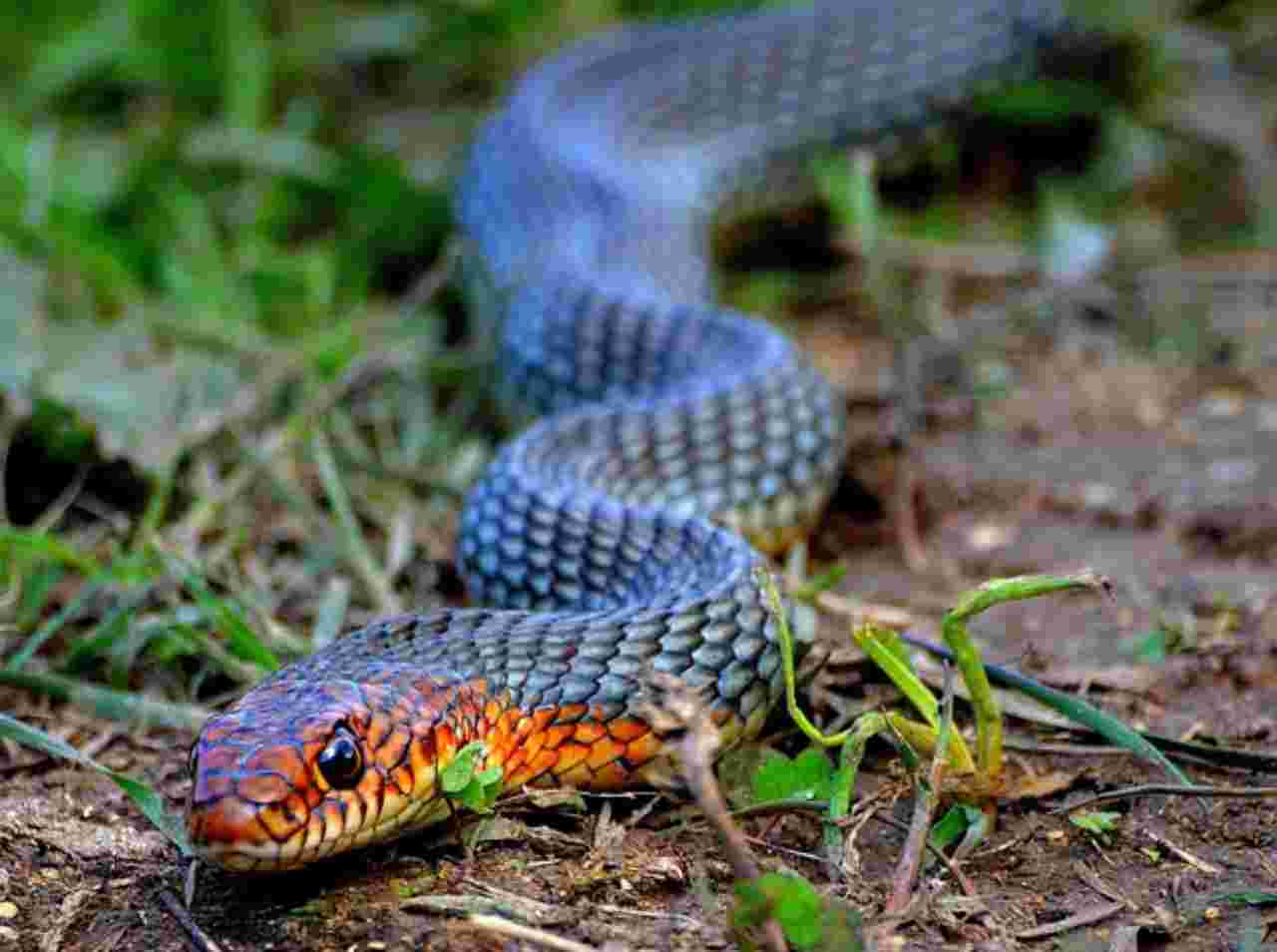
Understanding the relationship between plants and snake attraction, incorporating snake-repelling plants, and practicing effective snakebite prevention and first aid are all essential aspects of living harmoniously with snakes. Through knowledge, awareness, and responsible practices, we can create an environment where humans and snakes coexist while minimizing potential conflicts. Remember that snakes play a vital role in maintaining ecosystems, and by taking proactive steps, we can appreciate their contributions while ensuring our safety and well-being.
read more World’s Largest Jungles: Exploring the majesty of largest jungles in the world.


